Roof Care & Exterior Cleaning
Roof Cleaning in Albemarle, NC: What Those Black Streaks Really Mean
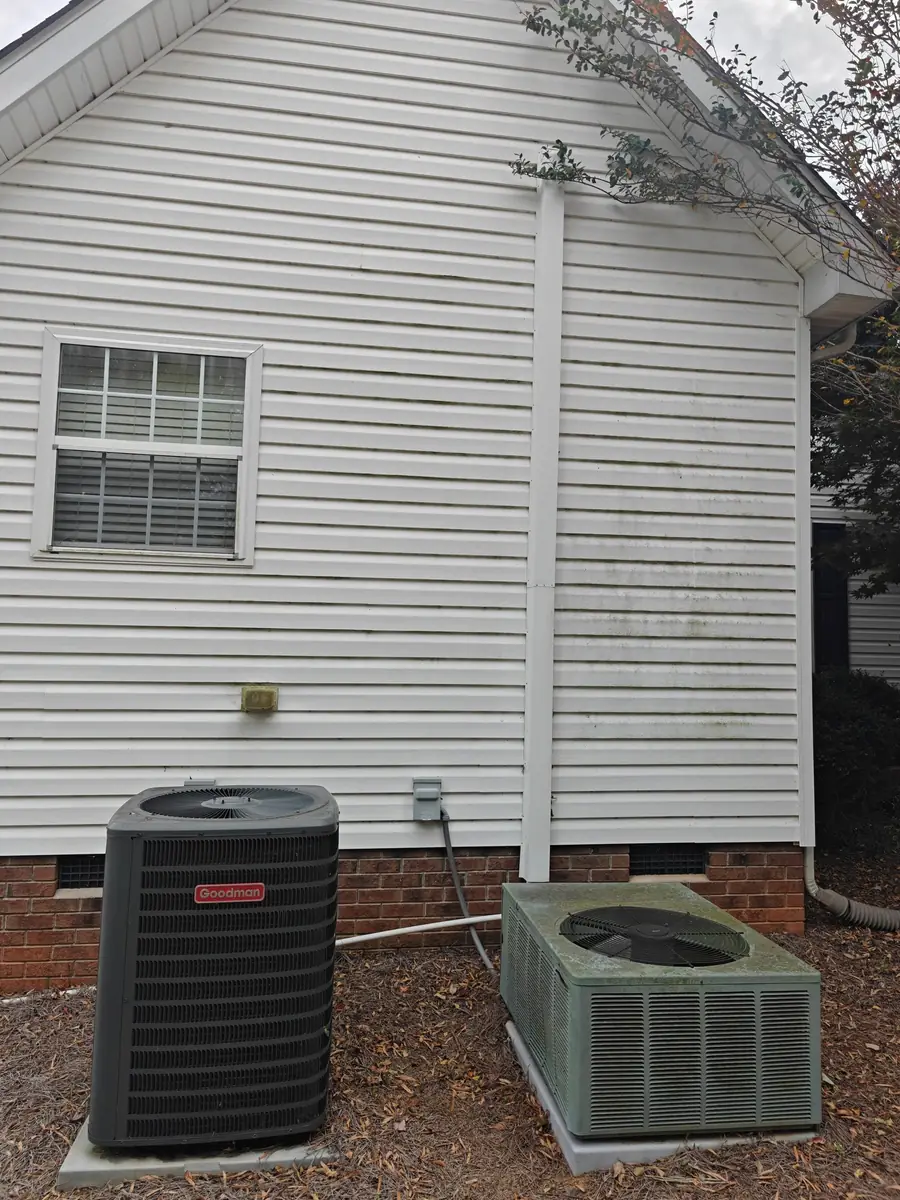
If you've noticed dark black or brown streaks running down the slopes of your roof, you're not alone — it's one of the most common concerns we hear from homeowners across Albemarle and Stanly County. The good news: it's fixable. The important news: those streaks are actively shortening your roof's life, and waiting makes it worse.
Drive through any neighborhood in Albemarle, Locust, or Concord on a sunny day and you'll spot them on dozens of roofs — long, dark vertical streaks that seem to appear out of nowhere, making an otherwise well-kept home look neglected. Many homeowners assume it's just dirt, weathering, or shadowing from nearby trees. It's none of those things.
What you're looking at is a living organism, and it's eating your roof.
What Causes Black Streaks on Roofs?
The culprit has a name: Gloeocapsa magma. It's a type of cyanobacteria — a microscopic organism that forms colonies on asphalt shingle roofs across the entire southeastern United States. North Carolina's warm, humid climate is ideal for its growth, and Stanly County homes are especially vulnerable because of the tree coverage and moisture that comes with our geography.
Here's how it works:
- Gloeocapsa magma spores travel through the air and land on your roof — often carried by wind, birds, or even from neighboring homes.
- The bacteria feed on the limestone filler that manufacturers use in asphalt shingles as a weight and texture component.
- As colonies grow, they produce a dark pigmented outer coating to protect themselves from UV light. That coating is the black streak you see.
- The colonies retain moisture, keeping your shingles perpetually damp — which accelerates granule loss and shingle degradation.
- Moss and lichen can follow, particularly on north-facing slopes where moisture lingers longest.
The process is slow enough that many homeowners don't notice it for years, by which point significant biological colonization has already occurred.
Why It Matters Beyond Curb Appeal
This is where we need to be direct: black streaks on your roof are not a cosmetic issue. They are an active maintenance problem with real financial consequences.
- Granule loss: The moisture retained by algae colonies loosens the protective granules on your shingles. Those granules are what protect the underlying asphalt from UV degradation. Once they're gone, shingles age dramatically faster.
- Shortened roof life: Studies by roofing industry associations have found that untreated algae can reduce the functional lifespan of an asphalt roof by 5 to 10 years. On a roof that should last 25–30 years, that's a significant loss of investment.
- Moss and lichen damage: If algae growth advances to moss or lichen, the damage becomes structural. Lichen in particular attaches to shingles with root-like structures called rhizines that physically dig into the shingle surface. Removing lichen after it's established causes additional granule loss — it's far better to treat it early.
- Insurance and home value: Some home insurance providers in North Carolina note excessive roof algae growth as a deferred maintenance flag. It can also be called out by home inspectors, affecting your home's appraised value.
The Only Safe Way to Clean an Asphalt Shingle Roof
This is where many homeowners — and unfortunately, some inexperienced contractors — make a costly mistake: pressure washing the roof.
Pressure washing an asphalt shingle roof causes serious damage. High-pressure water (1,500–4,000 PSI) blasts the granules right off your shingles. You might make the roof look clean temporarily, but you've dramatically accelerated its aging in the process. Most asphalt shingle manufacturers explicitly state in their warranty documentation that pressure washing voids the warranty.
The correct method is soft washing — and it's what Soft Touch Softwash uses on every roof cleaning job in Albemarle and Stanly County.
Soft washing uses:
- Low water pressure (under 500 PSI — similar to a garden hose) that poses zero risk to shingles or granules
- A professionally formulated cleaning solution containing diluted sodium hypochlorite and surfactants that kill the algae, bacteria, moss, and lichen at the biological level
- A controlled rinse that removes the dead organic matter without dislodging granules
The result is a roof that's genuinely clean — not just visually clean — because the biological growth has been killed at the source, not just pressure-blasted off the surface temporarily.
How Long Does a Roof Cleaning Last?
After a professional soft wash, most Albemarle homeowners see clean results lasting 2 to 4 years before noticeable regrowth appears. Several factors affect that timeline, including tree coverage, roof pitch and orientation, and how much moisture your roof holds through the seasons.
What About Moss and Lichen?
If your roof has progressed beyond algae streaking to visible green moss growth or gray-green lichen patches, the cleaning process is essentially the same — but the timeline is different. Moss and lichen don't disappear immediately after treatment the way algae does.
After soft washing, treated moss and lichen dry up and gradually shed from the roof over the following 30 to 90 days as rain and weather carry the dead material away. This is completely normal and expected. We'll let you know what to expect before we start so there are no surprises.
Signs Your Albemarle Roof Needs Cleaning Now
- Dark black or brown streaks running vertically down any slope
- Green, gray, or fuzzy moss growth — especially on north-facing sections
- Visible lichen patches (often appear crusty, gray-green, and irregular)
- Shingles that look uneven or discolored compared to when the roof was new
- Neighbors' roofs show streaking — spores travel, and yours will follow
- It's been more than 3 years since your last professional roof cleaning
Roof Cleaning vs. Roof Replacement: Know the Difference
Sometimes homeowners see dark streaking and immediately worry they need a new roof. In most cases with healthy shingles, that's not true — it's a maintenance issue, not a structural one. A professional soft wash can restore the appearance and extend the life of a roof that's otherwise in good condition.
That said, if your shingles are curling, cracking, blistering, or showing widespread granule loss in your gutters regardless of algae, it may be time to consult a roofing contractor about replacement. We'll always give you an honest assessment when we evaluate your roof and will tell you if we believe cleaning alone isn't the right solution for your situation.
Frequently Asked Questions About Roof Cleaning in Albemarle
Will soft washing chemicals damage my gutters, siding, or landscaping?
When applied by a trained professional using proper dilution ratios and application technique, no. We pre-wet all surrounding vegetation before treatment and rinse thoroughly afterward. Gutters and siding that come in contact with overspray are also rinsed clean. Our solutions are biodegradable and designed for safe use around homes and landscaping.
How long does a roof cleaning take?
Most residential roof cleanings in Albemarle take 2 to 3 hours from setup to cleanup, depending on roof size and pitch. You'll see the dark streaking lighten and begin to disappear during the cleaning itself, with full results visible within a few days as residual material rinses away.
Can I stay in my home during the roof cleaning?
Yes, absolutely. There's no need to vacate your home. We do ask that pets are kept indoors and that windows near the roofline are closed during treatment.
Do you offer any kind of maintenance plan after cleaning?
Yes. We offer an annual maintenance spray treatment that can be applied between full cleanings to significantly slow algae regrowth. Many of our regular customers in Albemarle and Stanly County find this extends their clean results to 4 years or more between full treatments. Ask us about this when you call for a quote.
What if my roof still has streaks after cleaning?
If treated areas don't respond as expected, we address it — that's part of what professional service means. We'll communicate clearly about what results to expect before we start based on the condition of your roof.
Free estimate, no pressure
Questions about your own home? Call or text and talk to the person who'll be doing the work.