Exterior Cleaning Tips
Soft Washing vs. Pressure Washing: Which Is Right for Your North Carolina Home?
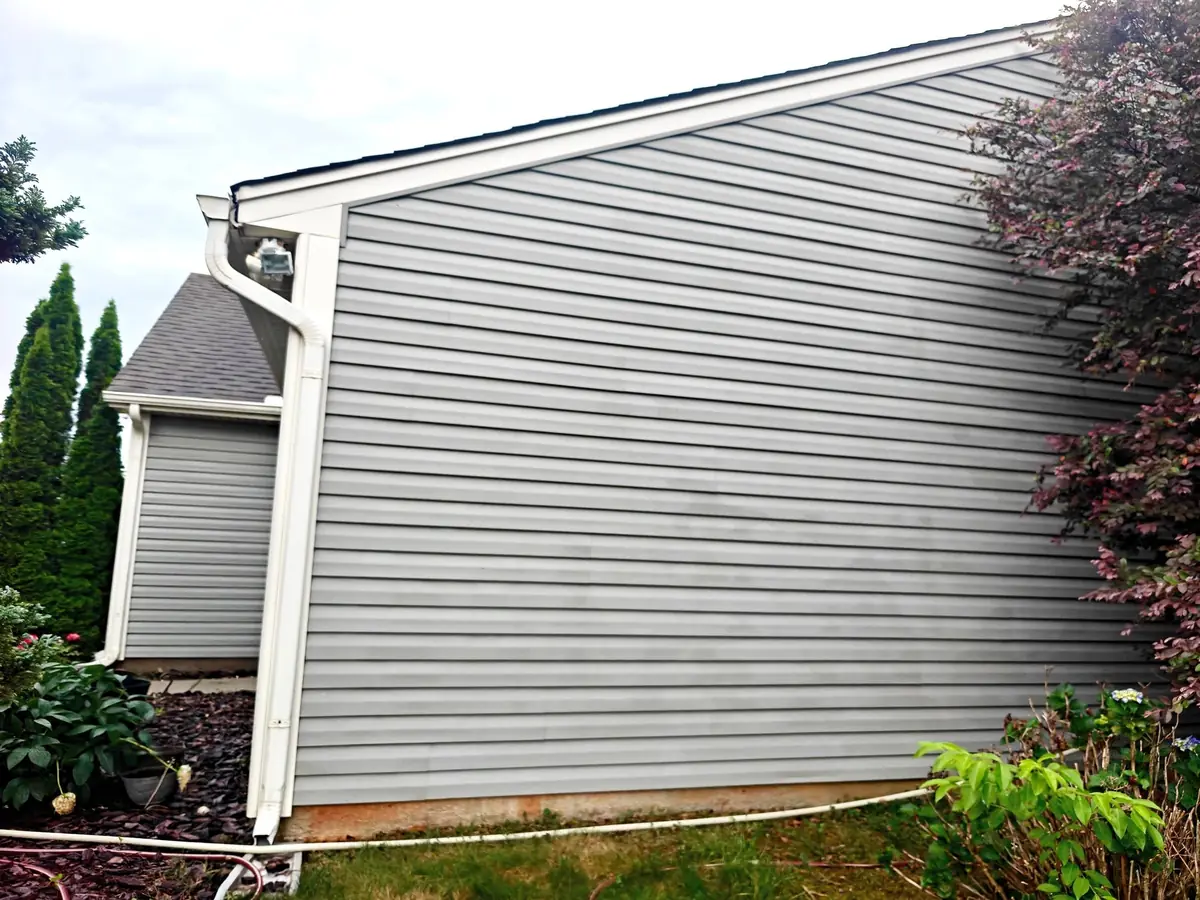
If you've been searching for "pressure washing near me" in Albemarle or Stanly County, you've probably come across the term soft washing too — and wondered what the difference really is. In this guide, we break it down clearly so you know exactly which method will protect your home and get the best result.
North Carolina homes face a relentless battle against moisture, humidity, and biological growth. Between the warm summers, frequent rain, and shaded tree coverage common across Stanly County, it doesn't take long for algae, mold, mildew, and dirt to build up on your siding, roof, driveway, and deck. The question homeowners in Albemarle, Locust, and Concord ask us most often is simple: should I pressure wash or soft wash my house?
The honest answer: it depends on what surface you're cleaning. Let's walk through everything you need to know.
What Is Pressure Washing?
Pressure washing (also called power washing) uses high-pressure water — typically between 1,500 and 4,000 PSI — to blast away dirt, grime, stains, and debris from hard surfaces. The force of the water does the heavy lifting.
Best suited for:
- Concrete driveways and sidewalks
- Brick patios and retaining walls
- Concrete pool decks
- Heavy oil stains or grease buildup
- Commercial concrete surfaces
High-pressure water is extremely effective on dense, durable surfaces that can handle the force. A concrete driveway, for example, is nearly impossible to damage with a pressure washer — and getting those oil stains and algae off often requires that blasting power.
What Is Soft Washing?
Soft washing uses low water pressure — typically under 500 PSI, similar to a garden hose — combined with biodegradable cleaning solutions to kill and remove organic growth like algae, mold, mildew, lichen, and bacteria at the source. Instead of blasting away contamination with force, soft washing treats it chemically and then rinses it away gently.
Best suited for:
- Vinyl, wood, stucco, and fiber cement siding
- Asphalt shingle roofs and tile roofs
- Wood decks and fences
- Gutters and fascia boards
- Painted surfaces
- Screen enclosures and window frames
The cleaning solution used in soft washing typically contains a diluted sodium hypochlorite (bleach) mixture along with surfactants that help the solution cling to surfaces and penetrate into algae and mold colonies. This kills the organic growth — not just at the surface, but at the root — so the results last significantly longer than pressure washing alone.
Why Pressure Washing Your Siding Can Be a Costly Mistake
This is where many NC homeowners get into trouble. Vinyl siding, wood siding, stucco, and fiber cement siding (like HardiePlank — extremely common in the Albemarle area) are not designed to withstand thousands of PSI of water force directed at close range.
High-pressure washing on these surfaces can:
- Force water up behind siding panels, causing moisture damage and mold inside your walls
- Crack, chip, or dent vinyl siding
- Strip paint or stain from wood surfaces
- Erode the surface texture of stucco
- Damage caulking around windows and doors
Soft washing eliminates all of those risks while still getting your siding cleaner — and keeping it cleaner longer — because it kills the biological growth rather than just knocking it loose temporarily.
Why You Should Never Pressure Wash a Roof
This is arguably the most important point in this entire article: high-pressure washing will damage your roof, and in many cases will void your manufacturer's warranty.
Asphalt shingles are coated with granules that protect the underlying material from UV damage and weather. High-pressure water strips those granules away, dramatically shortening the life of your roof. A roof that could last 25 years might last only 15 after repeated pressure washing.
Soft washing is the only safe method for roof cleaning. The Asphalt Roofing Manufacturers Association (ARMA) specifically recommends low-pressure washing with a bleach-based solution — which is exactly what soft washing is.
How Long Do Results Last?
One of the biggest advantages of professional soft washing is longevity. Because the cleaning solution kills the biological contamination at its source — not just on the surface — the results typically last 1 to 3 years on siding and roofs, depending on your tree coverage and local conditions.
Pressure washing, by contrast, is largely mechanical. It removes what's visible today, but doesn't kill the spores and root systems underneath. Regrowth typically appears within 6 to 12 months.
What About Decks and Fences?
Wood decks and fences are a middle-ground situation. Light pressure washing is sometimes appropriate for removing loose dirt, but it must be done carefully — too much pressure will raise the wood grain, splinter the surface, and create a rough texture that actually traps more dirt going forward.
For most residential wood decks and fences in Albemarle, NC, we recommend a low-pressure soft wash followed by a wood brightener treatment. This cleans safely, opens the wood pores for better stain penetration if you plan to re-stain, and won't damage the wood fibers.
Frequently Asked Questions
Is soft washing safe for plants and landscaping?
Yes — professional soft washing services, including ours, take precautions to wet down surrounding plants and landscaping before and after treatment. The biodegradable cleaning solutions we use are diluted to safe levels and rinse out quickly. Your garden beds and lawn are protected.
Can I soft wash my own house with a garden hose attachment?
DIY soft wash kits exist, but the concentration and application technique matter enormously. Too little solution won't kill the algae; too much can damage plants or leave streaking. Professional equipment delivers consistent, calibrated results that are difficult to replicate with DIY methods.
How often should I have my house soft washed in North Carolina?
Most homes in Albemarle and Stanly County benefit from a soft wash every 1 to 2 years. Homes under heavy tree cover or with north-facing walls (which stay shaded and damp) may need annual cleaning. We can give you a specific recommendation when we assess your property.
Do you serve areas outside of Albemarle?
Yes! Soft Touch Softwash serves Albemarle, Locust, Concord, and surrounding communities throughout Stanly County. Give us a call and we'll let you know if we cover your area.
Free estimate, no pressure
Questions about your own home? Call or text and talk to the person who'll be doing the work.