Home Maintenance Tips
How Often Should You Wash Your Home's Exterior in Albemarle, NC?
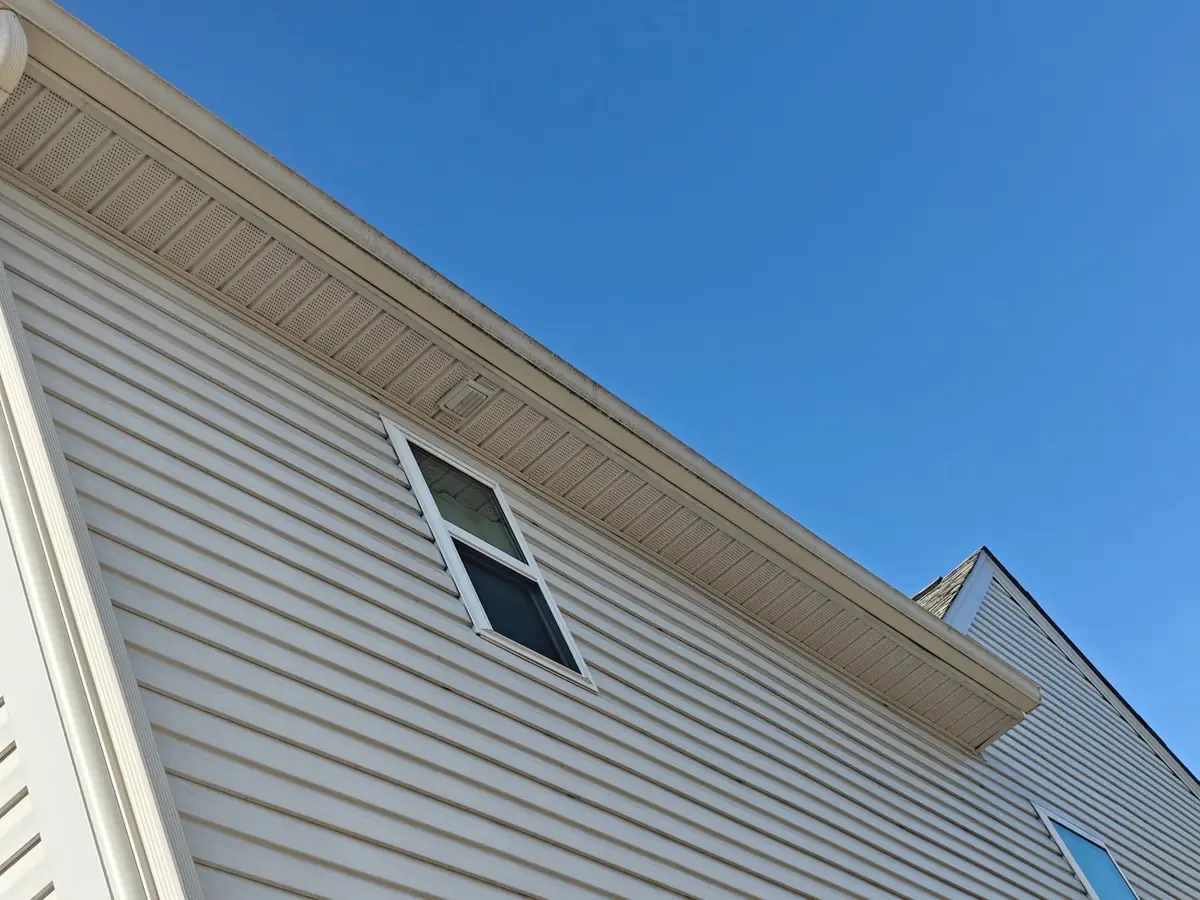
North Carolina's warm, humid climate is beautiful — but it's also one of the most aggressive environments for algae, mold, and mildew growth on home exteriors. Here's a straightforward guide to how often each surface of your Albemarle home needs to be professionally cleaned, and the warning signs that tell you it's overdue.
If you've driven around Albemarle, Locust, or Concord and noticed dark streaking on roofs, green fuzzy growth on siding, or black-stained driveways, you've seen what North Carolina's humidity does to homes that don't get regular exterior cleaning. The Piedmont region's combination of warm temperatures, high moisture, and heavy tree canopy creates near-perfect conditions for algae, mold, and mildew to thrive on virtually every exterior surface.
Staying on a simple cleaning schedule protects your home's curb appeal, preserves surface materials, and prevents minor buildup from becoming an expensive problem. Here's exactly how often each surface should be addressed.
House Siding: Every 1–2 Years
Vinyl, Wood, Fiber Cement (HardiePlank), and Stucco Siding
North Carolina's humidity makes siding a prime target for algae and mildew growth — especially on north-facing and shaded walls that don't get direct sun to dry out. Most Albemarle homes see noticeable biological growth within 12 to 18 months of a cleaning, particularly during warm, wet seasons.
Signs it's time to clean your siding:
- Green or black spots, especially on shaded walls
- Dark vertical streaking running down from windows or vents
- A dull, gray appearance on previously bright siding
- Visible mildew or fuzzy growth in corners and seams
- A musty smell near the exterior walls
Roof Cleaning: Every 2–3 Years
Asphalt Shingle Roofs
Those dark black or brown streaks on roofs across Albemarle are not just dirt — they're a cyanobacteria called Gloeocapsa magma. It spreads roof to roof via wind and birds, feeds on the limestone filler in asphalt shingles, and retains moisture that accelerates shingle breakdown.
Left untreated for 10–15 years, biological growth can shorten a 30-year roof's lifespan by 5 to 10 years — potentially costing you tens of thousands in early replacement.
Signs your roof needs cleaning:
- Black or dark brown streaking running down the slope
- Green or gray coloring on north-facing sections
- Visible moss or lichen growth, especially near trees
- Shingles look uneven in color compared to when installed
Driveways and Concrete: Every 1–2 Years
Concrete Driveways, Sidewalks, and Patios
Concrete is porous, and in North Carolina's climate it collects algae, oil stains, tire marks, and grime quickly. Beyond aesthetics, algae on concrete becomes a genuine safety hazard — a green, slick driveway is a slip-and-fall risk. Pressure washing is the right tool here: concrete is dense enough to handle high PSI, and that blast power is what lifts embedded staining that surface spray can't touch.
Signs your concrete needs attention:
- Green or black coloring, especially in shaded areas
- Slippery texture when wet
- Oil stains from parked vehicles
- Visible grime lines or tire track staining
Decks and Fences: Every 1–2 Years
Wood, Composite, and Vinyl Decks and Fences
Decks and fences are exposed to weather from all sides, making them one of the fastest surfaces to show wear. Wood decks that go without cleaning develop gray, weathered coloring, mold in the board gaps, and a rough surface that traps even more dirt going forward.
A professional soft wash followed by a wood brightener restores the natural color and opens the wood grain — essential if you plan to re-seal or re-stain. For vinyl fencing, soft washing removes green algae and oxidation to bring back the original bright appearance.
Signs it's time:
- Gray or weathered color on wood surfaces
- Green or black growth in gaps between boards
- Rough, splintered surface texture
- Green streaking or oxidation on white vinyl fence
What Happens If You Wait Too Long?
Skipping exterior cleaning causes real damage over time. Here's what deferred maintenance actually costs Albemarle homeowners:
- Siding damage: Algae retains moisture against siding panels, potentially causing wood rot and moisture intrusion into wall cavities — a very costly repair.
- Shortened roof life: Untreated algae can take years off your roof's rated lifespan. A roof replacement in the Albemarle area typically runs $8,000 to $20,000 or more.
- Concrete deterioration: Algae in porous concrete accelerates freeze-thaw cracking over time.
- Reduced home value: A dirty exterior is consistently ranked among the top factors that reduce perceived home value during real estate showings.
Factors That Affect How Often YOUR Home Needs Cleaning
- Tree coverage: Homes surrounded by trees stay shadier and damper, accelerating biological growth. Heavy tree coverage can mean annual cleaning rather than every two years.
- Direction the home faces: North-facing walls get less sun and stay damp longer — they almost always show growth faster.
- Proximity to water: Homes near ponds, creeks, or drainage areas see algae establish faster.
- Age of your home: Older paint and siding surfaces tend to be more porous and collect growth more readily.
- HOA requirements: Some neighborhoods in Stanly County have exterior maintenance standards. We can help you stay compliant.
Your Annual Home Exterior Checklist
- Walk around your home and inspect all four sides of the siding for discoloration or growth
- Look at your roof from the street for dark streaking or uneven coloring
- Check your driveway and sidewalks for algae, slipperiness, and staining
- Inspect your deck boards for gray color or mold in gaps
- Look at fence panels for green streaking or oxidation
- Check gutters for black streaking on the exterior face
Frequently Asked Questions
Can I just pressure wash everything myself?
For concrete, a homeowner with a quality pressure washer can do an adequate job. For siding, roofs, and wood surfaces, we strongly advise against DIY pressure washing — the risk of damage from improper pressure or technique is high. Soft washing also requires calibrated equipment and proper chemical dilution to be safe and effective.
Will cleaning my roof cause leaks?
No. Soft washing a roof uses very low water pressure — less than a garden hose — so there's no risk of water intrusion. A properly cleaned roof actually reduces moisture retention over time.
How long does a typical cleaning take?
A full house soft wash on a standard Albemarle home takes 2 to 4 hours depending on size and buildup. A driveway cleaning typically takes 1 to 2 hours. We can often combine multiple services in a single visit.
Do I need to be home during the cleaning?
You don't need to be present as long as we have access to an outdoor water spigot. Just let us know your preferences when you book.
Does Soft Touch Softwash offer recurring maintenance plans?
Yes — we can set up annual or bi-annual cleaning reminders and schedule recurring service so your home stays on a maintenance plan without you having to remember. Ask us about this when you call.
Free estimate, no pressure
Questions about your own home? Call or text and talk to the person who'll be doing the work.