Concrete & Driveway Cleaning
Driveway Cleaning in Albemarle, NC: How to Remove Stains, Algae & Years of Grime
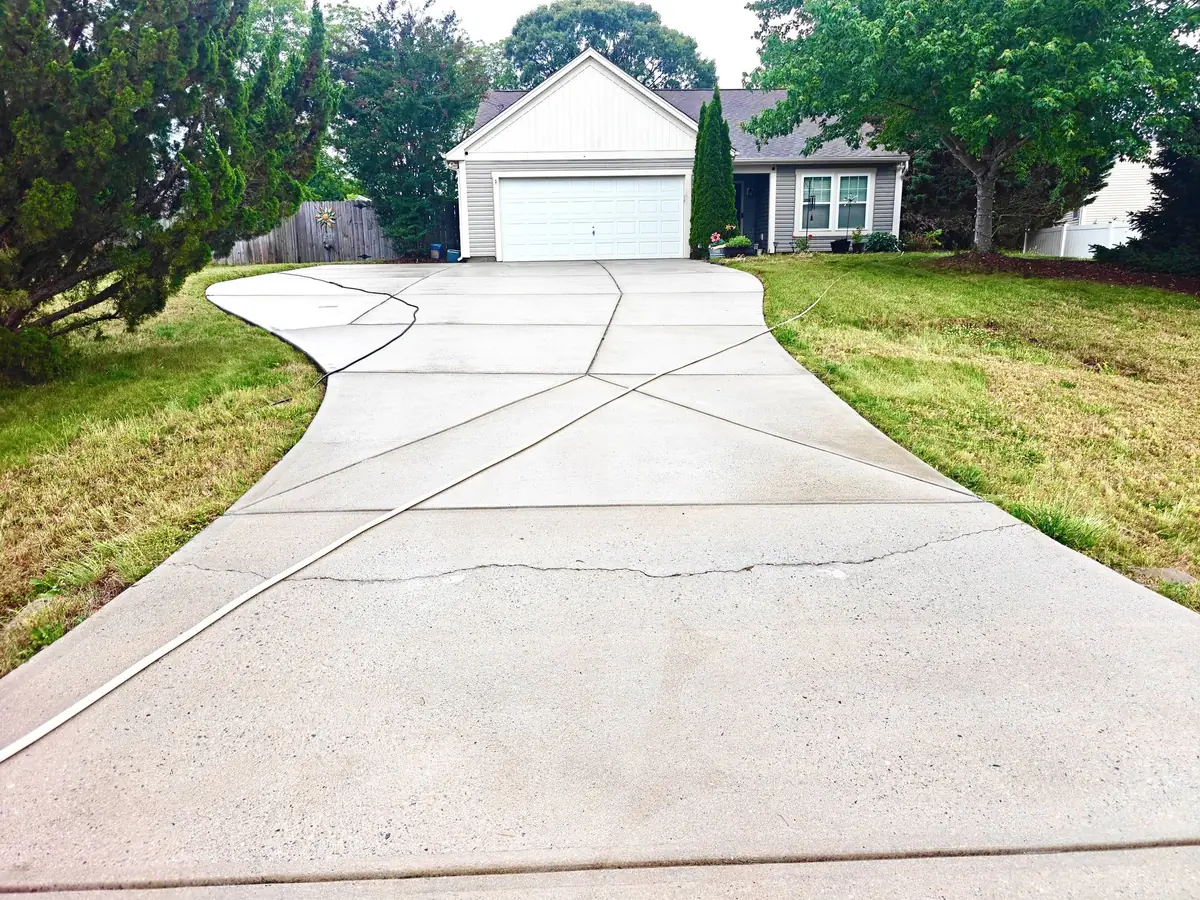
Your driveway is one of the first things people see when they pull up to your home. A stained, green-tinged, or grime-covered driveway undercuts the appearance of even a well-maintained house. Professional pressure washing can restore it in a matter of hours — and the results are dramatic.
Most homeowners in Albemarle don't think much about their driveways until the buildup is impossible to ignore — an oil stain that's been there for two years, tire marks that won't wash off in the rain, or green algae spreading across the shaded corner near the garage. By that point, it's been a long time coming, and the good news is it's completely reversible.
Concrete driveways and sidewalks are incredibly durable, but they're also highly porous. That porosity is what makes them so effective at accumulating and trapping stains, biological growth, and embedded grime over time. A pressure washing service done right removes all of it — and the before-and-after difference is consistently one of the most striking transformations in exterior home cleaning.
What's Actually on Your Driveway?
Before we talk about cleaning, it helps to understand what you're actually dealing with. The stuff on your driveway isn't just "dirt." It's a mix of several different types of contamination:
- Algae and biological growth: North Carolina's humid climate causes algae and mold to colonize porous concrete quickly, especially in shaded areas. This is the green, gray, or black tinting you see — and it makes concrete slippery and dangerous when wet.
- Oil and automotive fluid stains: Engine oil, transmission fluid, and power steering fluid are petroleum-based and penetrate deep into concrete pores. Rain doesn't touch them.
- Tire marks: Hot tire compound transfers to concrete over time, leaving dark marks in repetitive spots near where you stop and park.
- Rust staining: From fertilizer spreaders, metal furniture, or landscaping equipment left on the driveway. Rust stains are among the most stubborn concrete stains and sometimes require chemical pre-treatment.
- General atmospheric grime: Dust, pollen, exhaust particles, and organic debris that accumulate and bond to the concrete surface over years.
Why Professional Pressure Washing Beats DIY
Consumer-grade pressure washers available at hardware stores typically run 1,200 to 1,800 PSI. Professional equipment used by Soft Touch Softwash operates at 3,000 to 4,000 PSI — and more importantly, uses a surface cleaner attachment rather than a handheld wand.
Here's why that matters:
- Surface cleaners eliminate streaking: A handheld wand creates uneven pressure across the concrete, resulting in visible "zebra stripes" — lines where the spray edge was. A rotating surface cleaner delivers perfectly even pressure across the full width in a single pass.
- Higher PSI reaches deeper contamination: The grime embedded in concrete pores requires sustained high-pressure water to dislodge. Underpowered consumer washers clean the surface but leave deeper contamination behind.
- Pre-treatment for oil and rust: Oil stains and rust require chemical pre-treatment before pressure washing to emulsify the petroleum compounds or break down the iron oxide. Without pre-treatment, pressure washing alone won't remove these stains.
- Efficiency: What a professional can complete in 1 to 2 hours often takes a homeowner with rental equipment 4 to 6 hours — with worse results and a significant physical effort.
What About Oil Stains?
Oil stains deserve special attention because they're the most commonly asked-about issue and the most misunderstood. The honest answer: professional cleaning significantly improves oil stains in most cases, but deep, years-old petroleum stains may not disappear completely — they improve dramatically, but some ghost staining can remain in badly soaked concrete.
Fresh oil stains (weeks to a few months old) respond very well to chemical pre-treatment followed by high-pressure hot water extraction. Older stains that have had years to cure and penetrate deeply may require multiple treatments or specialty poultice products.
We'll always give you a realistic expectation before we start based on the age and depth of your staining — no surprises.
Driveway Sealing: Should You Do It After Cleaning?
After a professional pressure washing, your driveway is in ideal condition for sealing — the surface is clean, the pores are open, and there's no biological contamination to lock in. Concrete sealing is optional, but it offers real benefits:
- Fills the surface pores to prevent future oil and fluid penetration
- Dramatically slows biological growth (algae can't colonize sealed concrete as easily)
- Protects against freeze-thaw cracking, which is relevant in Stanly County winters
- Makes future cleaning significantly easier — grime sits on the surface rather than soaking in
- Enhances color and gives concrete a clean, finished appearance
Sealing extends the clean results of pressure washing and reduces how often you'll need full professional cleaning going forward. Ask us about sealing when you call for a quote.
The Safety Angle: Slippery Concrete Is a Real Risk
One underappreciated reason to keep your driveway and walkways clean is pure safety. Algae growth on concrete creates a biofilm that becomes extremely slippery when wet — the same effect you see on a dock or a mossy rock near a creek. A driveway or front walkway with algae growth is a genuine slip-and-fall hazard, particularly for older family members or guests who aren't expecting it.
In Albemarle's wet springs and occasional winter ice conditions, an algae-covered driveway is even more dangerous. Regular pressure washing eliminates this hazard completely.
Frequently Asked Questions About Driveway Cleaning in Albemarle
How long does driveway pressure washing take?
A standard two-car driveway typically takes 1.5 to 2.5 hours from start to finish, including setup, pre-treatment on stained areas, surface cleaning, and rinse. Larger driveways, extensive oil staining, or add-on surfaces like walkways and patios will add time.
How soon can I drive on my driveway after cleaning?
We generally recommend waiting 24 hours before parking on a freshly cleaned concrete driveway. The concrete needs time to dry fully, and wet concrete can pick up dust and debris from tires.
Will pressure washing damage my driveway?
Concrete is extremely durable and handles professional pressure washing without issue when done correctly. We use appropriate PSI levels and surface cleaner equipment that delivers even pressure without the risk of etching or surface damage that a poorly aimed handheld wand can cause.
Do you clean concrete driveways in the winter?
We can clean concrete during mild winter days in Stanly County when temperatures are above 40°F and there's no risk of ice formation. We generally schedule concrete work primarily in spring through fall for best results and safe conditions.
What's the cost of driveway cleaning in Albemarle?
Pricing depends on the size of the area, level of staining, and whether pre-treatment is needed. We provide free, no-obligation quotes for all jobs. Call or text us and we'll give you a straightforward number before any work begins.
Free estimate, no pressure
Questions about your own home? Call or text and talk to the person who'll be doing the work.