Home Health & Maintenance
Is Mold & Algae on Your House Dangerous? What Albemarle, NC Homeowners Should Know
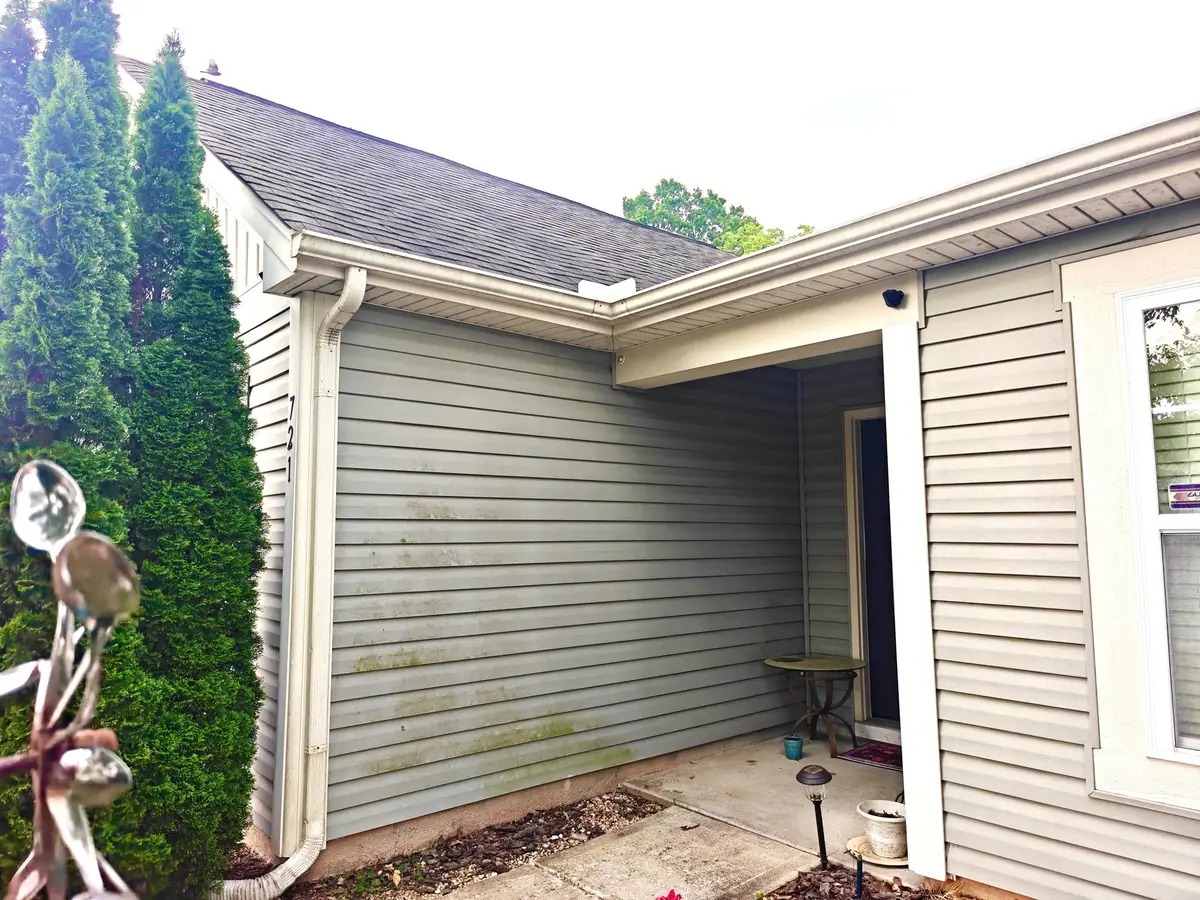
That green, black, or gray growth spreading across your siding, roof, or deck isn't just a cosmetic issue. It's a living organism — and depending on the type and how long it's been there, it can affect both your home's structure and the air quality around it.
First, what are you actually looking at?
People use "mold" as a catch-all for anything growing on a house. It's usually one of four things, and telling them apart is easier than it sounds:
- Algae — green, sometimes almost black. Loves shaded siding, north-facing walls and fences. The black streaks on roofs are algae too, commonly gloeocapsa magma, which feeds on the limestone filler in asphalt shingles.
- Mildew — flat, patchy, gray to black. Common on siding, soffits and painted trim.
- Moss — thick, green, cushiony. Turns up on north-facing roof slopes and shaded concrete, and it holds a startling amount of water.
- Lichen — crusty, pale green or gray, gripping the surface hard. The stubborn one, because it roots into what it grows on.
They're all living organisms rather than dirt. That single fact explains most of what follows.
Why North Carolina gives it such a head start
Warmth, humidity and shade are the whole recipe, and we have all three for most of the year. It's why the north side of a house here goes green while the sunny front stays clean, and why two identical homes on the same street age completely differently depending on tree cover.
It's not a sign you have neglected the house. It's the default state of an exterior surface in this climate when nothing interrupts it.
The straight answer on your house
The structural case isn't really in dispute. Growth holds moisture against whatever it's growing on, and sustained moisture is what actually causes damage:
- On a roof, algae feeds on shingle filler, and moss lifts and holds water where shingles are designed to shed it
- On wood — decks, fences, trim — trapped moisture is what leads to rot and graying
- On painted surfaces, it works into the finish and shortens the life of the paint
- On concrete and steps, it's genuinely slippery, which is the most immediate risk on this whole list
That last one is worth taking seriously. A shaded, algae-covered walkway after rain is the closest thing to a real hazard most homes have, and it's also the easiest to fix.
The straight answer on your health
Here we're going to be more careful than some of our industry is, because it matters.
Mold growing on the outside of your house isn't the same thing as mold growing inside it. Indoor mold — behind a leak, under a floor, in a crawlspace — is a genuine health topic and a genuine remediation job, and it's not what we're describing here.
What is fair to say about exterior growth is this: it's a living organism that releases spores, and people who are sensitive to mold, or who have asthma or allergies, may notice it more than others, particularly around a shaded wall, deck or patio they use often.
What we won't do is tell you it's making you sick. We're not doctors, we don't test air quality, and anyone who confidently diagnoses a health problem in order to sell you a wash is guessing. If someone in your home has symptoms you think are connected to mold, that's a conversation for your doctor, and possibly for an indoor air-quality professional — not for a pressure washing company.
The reason to clean the outside of your house is that growth damages surfaces, makes walkways slippery, and makes a well-kept home look neglected. That case stands up on its own without anybody being frightened into it.
Why rinsing it off doesn't work
This is the part that surprises people. Because it's alive, removing what you can see isn't the same as removing it. Plain water — or pressure on its own — knocks the visible layer loose and leaves the rest in place, so it regrows from what stayed behind. It looks fixed for a few weeks and then comes back.
Worse, on siding and shingles, turning the pressure up to compensate risks damaging the exact surface you're paying to protect. High pressure strips granules from shingles and can force water behind siding.
The method that works is soft washing: low pressure, a professional-grade solution that treats the growth at the source, then a thorough rinse for an even finish. It's safer for the surface and the results last considerably longer. Concrete is the exception — it can take real pressure, and that's where we use it.
What to do about it
Walk the shaded side of your house and look at the siding, the roofline, the gutter faces and any wood you own. If it's green, gray or streaked, it's established rather than dirty, and it won't rinse off.
Estimates are free and there's no pressure attached to one. Call or text (704) 781-7228 and you will be speaking to the person who would do the work.
Free estimate, no pressure
Questions about your own home? Call or text and talk to the person who'll be doing the work.